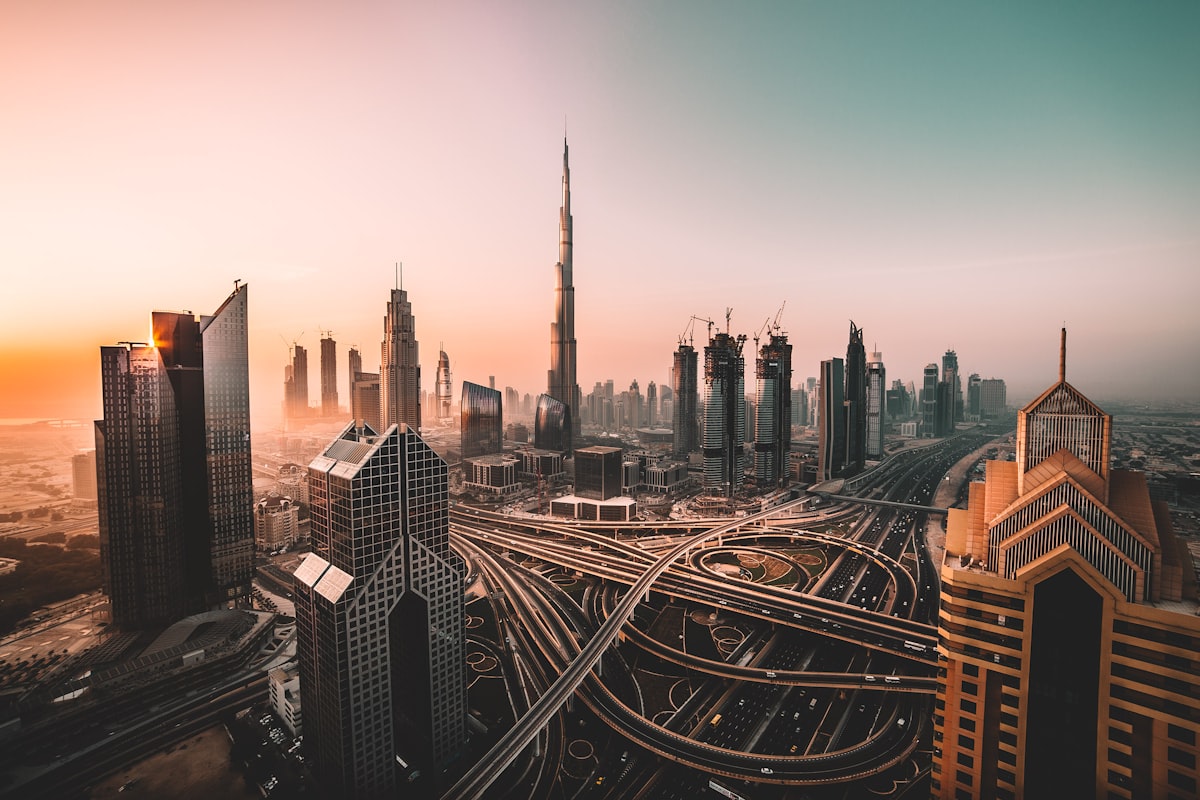
Dubai Is Not What You Think — In Both Directions
First-time visitors arrive with one of two misconceptions: either they've seen the Burj Khalifa photos and expect nothing but glitter, or they're nervous about strict rules and conservatism. Reality is more nuanced. Dubai is a cosmopolitan, international city that's welcoming and practical for visitors — but it does have rules worth knowing, and the experience rewards those who look past the obvious attractions.
When to Go
November through March is the window. Temperatures are 20–28°C, the city is fully alive, outdoor activities are comfortable, and Dubai's major events (Dubai Shopping Festival, Dubai World Cup horse racing, Art Dubai) fall in this period. Avoid June–September: 40–48°C, 80%+ humidity, and the city itself moves largely indoors. Not dangerous, but not the experience you're planning for.
Dress Code Reality
The rules are simpler than many visitors expect. In malls, restaurants, and most public spaces: dress modestly (shoulders and knees covered). Beachwear stays at the beach or pool. Bikinis are fine on hotel beaches and at beach clubs — you don't need to cover up at the water's edge. At mosques (if visiting), both men and women need covered arms, legs, and women need a head covering — abayas are provided at most major mosques. In practice, most of Dubai is relaxed about dress in tourist-facing areas.
Alcohol
Alcohol is legal in Dubai in licensed venues — hotels, restaurants, and beach clubs. You cannot bring your own alcohol into the country, and drinking in public spaces (parks, beaches, streets) is illegal. Within licensed venues, the selection is full and the quality is good; expect to pay international city prices (AED 45–80/$12–22 for a cocktail). During Ramadan, alcohol service in some venues is restricted to evenings.
Getting Around
Dubai's metro is clean, air-conditioned, and efficient along its two lines. It covers the major tourist corridor — Deira, downtown, the Mall of the Emirates, Dubai Marina. The problem: many parts of the city aren't near a station, and Dubai's layout isn't as walkable as European cities (the distances between places are designed for cars). Uber and Careem (the regional equivalent) are both excellent, cheap by Western standards (AED 15–40/$4–11 for most rides), and perfectly safe. Taxis from the street are metered and reliable. Avoid renting a car unless you're heading to Abu Dhabi or outside the city.
The Attractions Beyond the Obvious
Everyone goes to the Burj Khalifa. Here's what's worth doing that most first-timers miss:
- Al Fahidi Historical Neighbourhood (Bastakiya): The old merchant quarter of Dubai, with wind-tower architecture from the early 20th century. The Dubai Museum is here. Genuinely interesting, completely free, and a 15-minute walk from the Dubai Creek.
- Dubai Creek Dhow Crossing: Take the traditional wooden abra (water taxi) across Dubai Creek for AED 1. One of the best value experiences in the city — used by actual residents, not just tourists.
- Gold and Spice Souks: The Deira spice souk and the gold souk are the real thing, not recreations. The gold souk alone has more gold on display than most national reserves.
- Alserkal Avenue: Dubai's contemporary arts district in Al Quoz — galleries, independent cafés, and creative studios in repurposed warehouses. Authentic and interesting.
- Dubai Frame: Cheaper than Burj Khalifa, genuinely clever — a 150m picture frame with old Dubai on one side, new Dubai on the other. The glass-floor walkway is worth it for vertigo fans.
Food Tips
Dubai's best food often isn't in hotels. The south Asian food in Bur Dubai and Deira — Pakistani, Indian, Filipino — is outstanding and cheap. Al Ustad Special Kabab in Deira has been making the same lamb kababs for decades. Ravi Restaurant in Satwa is a Pakistani institution open 24 hours. The Dubai food scene has also diversified enormously — the number of serious restaurants across every cuisine is comparable to any global city.
Money
The UAE Dirham (AED) is pegged to the USD at 3.67:1. Cash is accepted everywhere but contactless and card payment is universal and seamless. Exchange rates at airport bureaux de change are poor; use ATMs on arrival for better rates. Tipping isn't expected but is appreciated — 10–15% in restaurants is standard for good service.
What Visitors Get Wrong
- Underestimating distances — Dubai is a spread-out city; plan transit time between attractions
- Booking hotels in the wrong area (staying in Deira when you want Dubai Marina, or vice versa)
- Visiting in summer without understanding how hot it actually is
- Missing the old city entirely in favor of new Dubai
Waybound's Dubai listings include hotels across Dubai Marina, Downtown, and the Palm, with curated desert safari excursions and city experience packages. Browse our Dubai collection to plan your trip properly.
Ready to go?
Book Dubai with Waybound
Browse excursions, activities, and car rentals. Search in plain English — no 27-field forms.
Explore Dubai →