Three Days Is Enough — If You're Strategic
Paris is not a city you "do." It's a city you begin to understand. But three well-planned days will cover the major landmarks, let you sit in actual cafés like an actual person, and leave you wanting to come back — which is exactly the right outcome.
Here's a realistic day-by-day plan that doesn't involve sprinting between monuments.
Day 1: The Right Bank — History and the Iconic Stuff
Morning: The Louvre (done right)
Book tickets online in advance — skip the pyramid queue entirely and enter via the Carrousel du Louvre underground mall. Don't try to "see" the Louvre. Pick 2–3 wings and go deep. The Richelieu wing (French paintings and sculpture) is the least crowded. If you want the Mona Lisa, go at 9am sharp or after 3pm. Budget 2–3 hours.
Lunch: Rue de Rivoli or the Palais Royal area
Grab lunch at one of the cafés around the Palais Royal gardens — the garden itself is worth a 20-minute wander. Avoid any restaurant with a laminated tourist menu and a greeter at the door.
Afternoon: Tuileries → Champs-Élysées → Arc de Triomphe
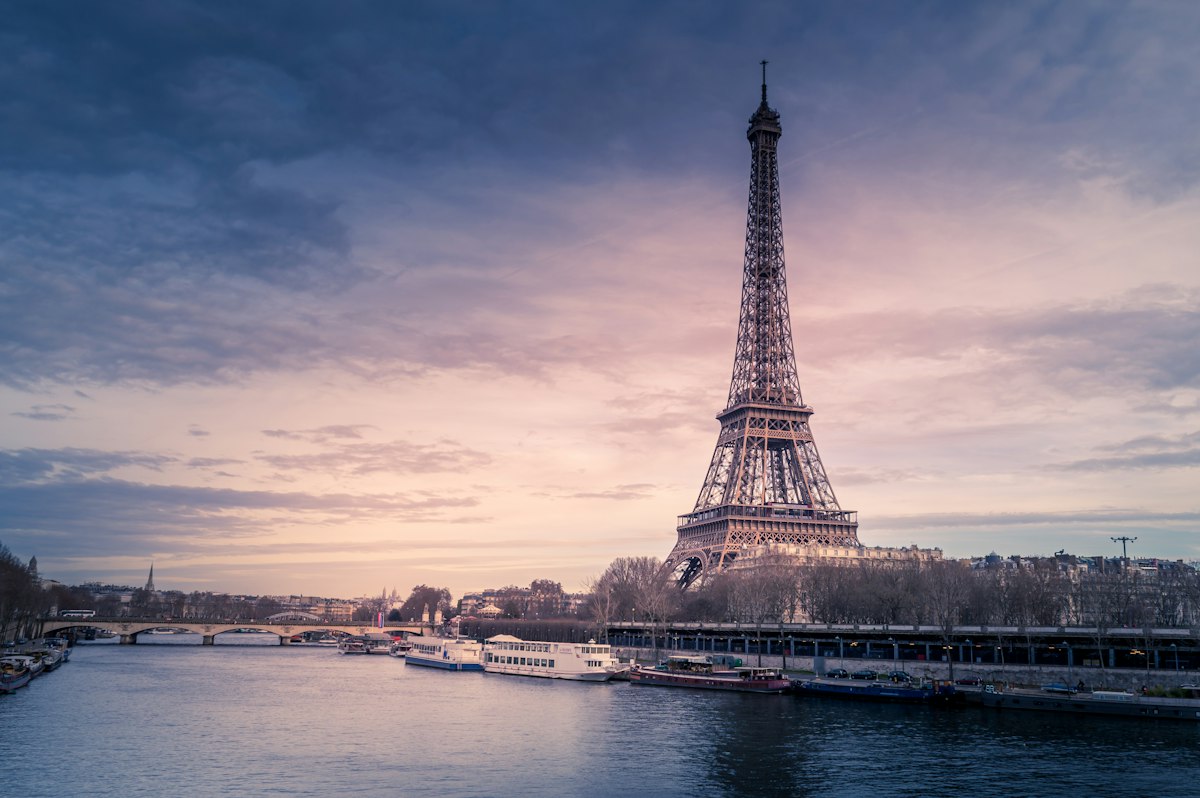
Walk west through the Tuileries gardens, up the Champs-Élysées (yes, it's touristy and overpriced, but you should see it), and climb the Arc de Triomphe for free views across the city. Evening: head to the Eiffel Tower at dusk for the light show. Buy champagne from a shop, not the Tower's bars.
Day 2: Left Bank — Art, Markets, and the Real Paris
Morning: Musée d'Orsay
One of the world's great museums. Housed in a former railway station, it holds the world's largest collection of Impressionist art — Monet, Renoir, Van Gogh, Degas. Go at opening (9:30am) and you'll have the top floor almost to yourself. Book in advance.
Afternoon: Saint-Germain-des-Prés and Luxembourg Gardens
Walk the Left Bank. Have coffee at Café de Flore or Les Deux Magots (expensive, but it's the experience). Wander through the Luxembourg Gardens. Browse Shakespeare and Company, the famous English-language bookshop on the Seine. Take your time here — this is what Paris actually feels like.
Evening: Montparnasse or the Latin Quarter for dinner
Skip the tourist-trap places near Notre-Dame. Head to Rue Mouffetard for good, unpretentious bistros. The Latin Quarter has Paris's best affordable dining per square meter.
Day 3: Montmartre, Notre-Dame, and Your Personal Paris
Morning: Montmartre
Go early — before 9am if you can. Sacré-Cœur is best at sunrise when the light hits the white stone and you can see clear to the horizon. The winding streets of Montmartre, lined with artists and ateliers, feel genuinely different to the rest of Paris. Avoid the Place du Tertre tourist painter scene — walk 5 minutes in any direction for the actual neighbourhood.
Afternoon: Notre-Dame and Île de la Cité
Reconstruction is ongoing after the 2019 fire, but Notre-Dame's exterior and surrounding Île de la Cité are absolutely worth visiting. The Sainte-Chapelle (a block away) has the most extraordinary stained glass windows in Europe — and almost nobody goes. Book in advance.
Final evening: Seine River Walk
Walk the Seine from Pont Neuf to the Eiffel Tower at golden hour. Stop for a glass of wine at any of the riverbank wine bars in the 7th arrondissement. That's your Paris.
Practical Notes
- Get the Paris Museum Pass if you're visiting 3+ museums
- Metro is faster than taxis for everything inside the périphérique
- Most museums are closed Tuesdays (Louvre) or Mondays (Orsay)
- Book restaurants for dinner — especially anything good
- Stay in the 6th, 7th, or 1st arrondissements for the best walking access
Waybound's Paris collection includes centrally located apartments and boutique hotels in the best arrondissements, with optional Seine river dinner cruises and private guided museum tours. Browse our Paris offerings to find the right base for your trip.
Ready to go?
Book Paris with Waybound
Browse excursions, activities, and car rentals. Search in plain English — no 27-field forms.
Explore Paris →